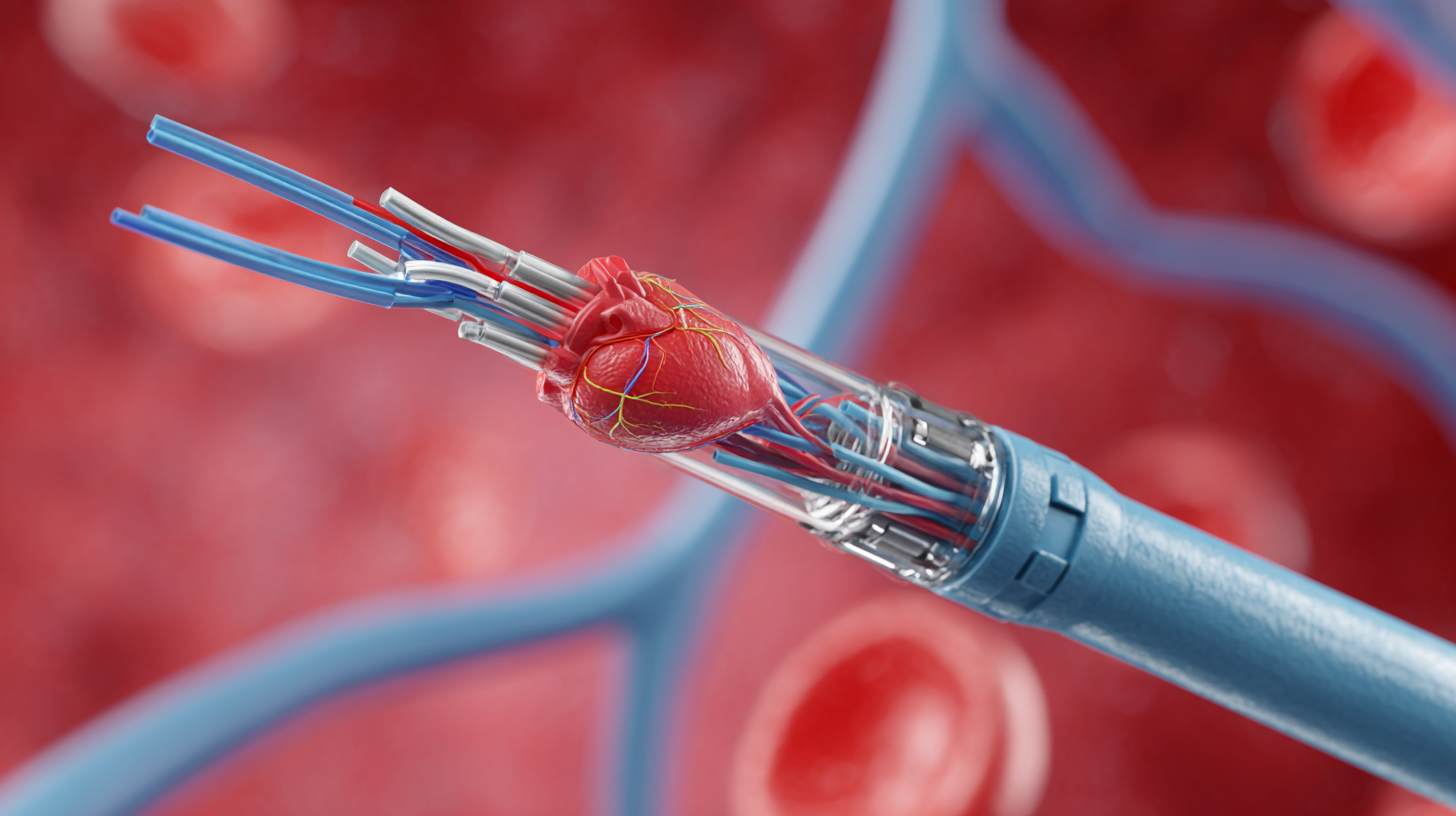
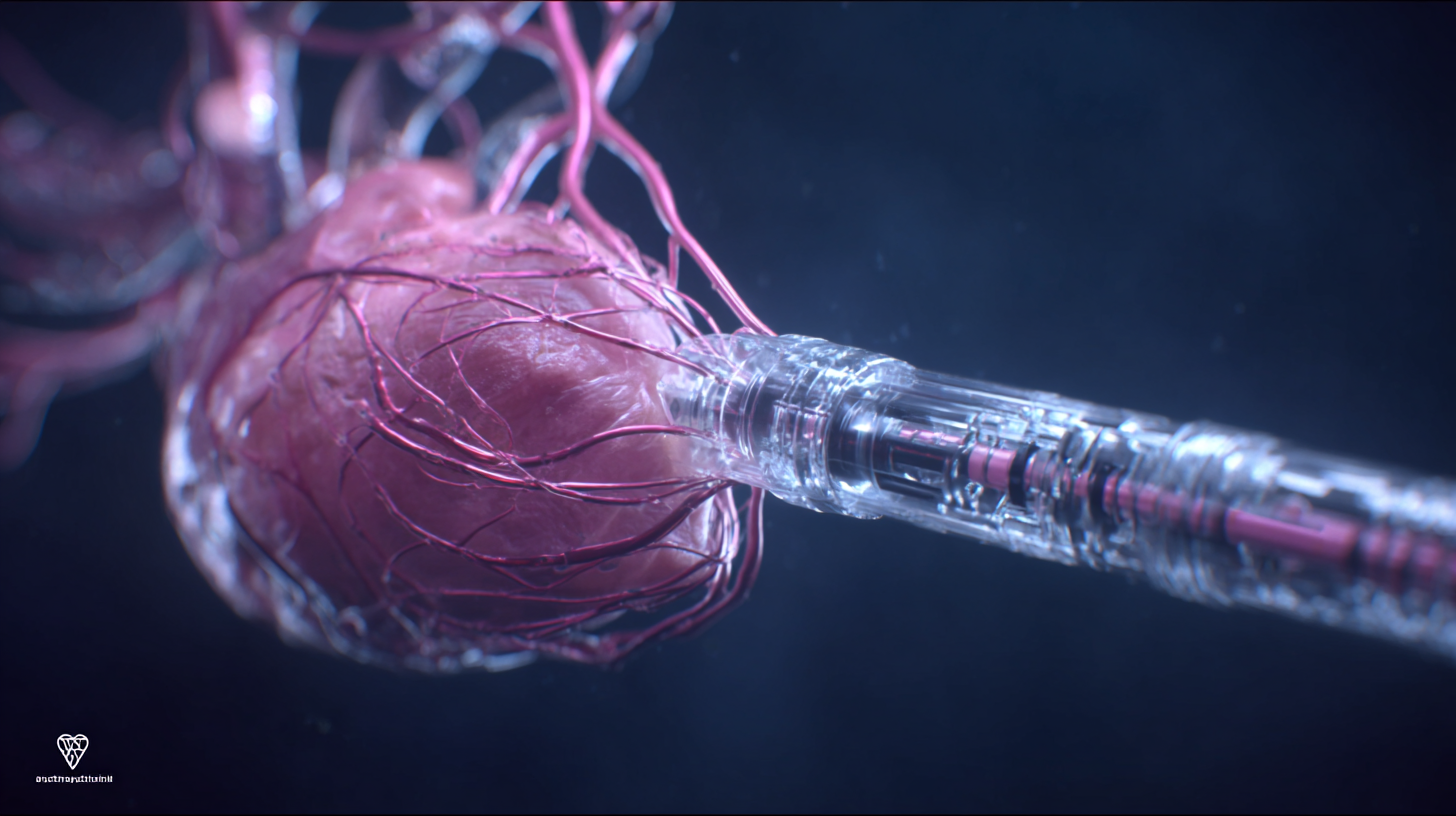
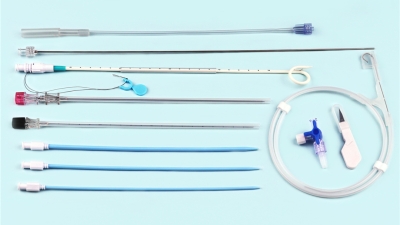
When it comes to interventional cardiology, you really can’t underestimate how important it is to know your way around Cardiovascular Angiography Catheters. These tools are essential for diagnosing and treating all sorts of heart conditions. A recent report on the Global Cardiovascular Catheters Market suggests that the demand for high-tech angiography catheters is on the rise, and it totally makes sense given how many more people are dealing with heart issues and how popular minimally invasive procedures are becoming.
Here at Tianck Medical Co., Ltd., we get how crucial it is to have top-notch, precision-engineered products that lead to better outcomes for patients. We’re genuinely committed to pushing healthcare standards higher and are always working on innovative solutions that meet the changing needs of medical professionals and patients around the globe. We’re excited to be part of shaping the future of cardiovascular interventions!
Understanding the Different Types of Cardiovascular Angiography Catheters
You know, when it comes to cardiovascular procedures, picking the right angiography catheters really makes a huge difference for getting the best results. There are a bunch of different catheters out there, and each one is specifically made for different purposes and vessels in the cardiovascular system. Understanding how they differ can really boost both the effectiveness of the procedure and keep patients safe, which is super important.
So, the main types of angiography catheters you’ll run into are diagnostic catheters—these are usually used to see the coronary arteries and check how blood’s flowing; then you've got interventional catheters that are all about doing therapeutic stuff like balloon angioplasty or putting in stents; and we can’t forget about Pediatric Catheters, which are specially designed for the tiny vascular systems in our younger patients. And yeah, each kind comes in different sizes, shapes, and materials, so doctors can choose the best fit based on the patient’s anatomy and what’s going on.
Oh, and let’s not overlook usability and maneuverability—these factors are major when things get tricky. A lot of the newer catheters come packed with advanced tech, like hydrophilic and polymer coatings that help them glide more easily through the vascular system. By really getting the hang of these various angiography catheters, healthcare pros can make a noticeable difference in patient outcomes and cut down on complications during those cardiovascular interventions.

Key Features of High-Performance Angiography Catheters
You know, the global market for cardiovascular angiography catheters is really booming right now! It's estimated to jump from about $1.68 billion in 2024 to a whopping $2.93 billion by 2031, which is a solid compound annual growth rate (CAGR) of 8.13%. It really shows how much people are looking for high-performance angiography catheters—these things are super important for achieving the best possible outcomes for patients during various interventional cardiology procedures.
So, what makes these high-performance catheters stand out? Well, they have improved flexibility, better steerability, and they deliver contrast dye like a pro. These features are crucial for maneuvering through those tricky vascular anatomies that can be all over the place depending on the patient.
Plus, all these new innovations in catheter design have made it easier to access specific arteries and cut down on complications during procedures. This really boosts the
success rate for both diagnostics and interventions. As healthcare providers are starting to focus more on keeping patients safe and getting effective results, the part that advanced angiography catheters play in interventional cardiology is only going to get more important as time goes on.
Enhancing Diagnostic Accuracy: The Role of Advanced Catheter Designs
You know, those advanced catheter designs are really making waves when it comes to improving how accurately we can diagnose during cardiovascular angiography. Studies have shown that using these cutting-edge catheters can significantly boost diagnostic success rates, which, let’s be honest, is great news because it means fewer repeat procedures for patients. A report from the American College of Cardiology in 2022 highlighted that new catheter technologies are actually up to 20% better at identifying coronary artery disease compared to the older models. Pretty impressive, right? A big part of that improvement seems to be thanks to better maneuverability and optimized lumen designs that really help with blood flow and imaging.
Oh, and here’s a quick tip: always keep in mind how the materials in catheters relate to specific patient profiles. Those newer polyether-based catheters might just be the way to go—they can offer better flexibility and reduce the chances of complications, which is a win for patient safety.
Plus, designs that include imaging capabilities—like optical coherence tomography (OCT) and intravascular ultrasound (IVUS)—are a game changer. They give real-time insights that are absolutely vital for nailing accurate diagnoses and planning treatment. A study that came out in the Journal of Cardiovascular Interventions recently pointed out a 30% boost in spotting those subtle lesions that usually fly under the radar with standard angiography.
And hey, it’s super important to stay updated on the latest in catheter technology. Attending industry conferences and webinars can really help ensure that your practice is equipped with the best tools out there for taking care of patients.
Patient Safety Considerations When Using Angiography Catheters
When utilizing angiography catheters, patient safety is paramount. The National Heart, Lung, and Blood Institute estimates that approximately 2 million angioplasties are performed every year in the United States. With such a high volume of procedures, it is crucial for healthcare professionals to prioritize the safety and comfort of patients throughout the process. Catheter-related complications can lead to significant morbidity, with studies revealing that 0.5-2% of patients may experience severe adverse events during catheterization, including Vascular Access complications and contrast-induced nephropathy.
To mitigate these risks, it is essential to adopt best practices in catheter selection and usage. According to a report from the American College of Cardiology, using the appropriate catheter size can reduce the likelihood of complications. Specifically, smaller gauge catheters are associated with lower rates of access site bleeding and hematoma formation. Furthermore, the implementation of new technologies, such as ultrasound guidance during catheter insertion, has been shown to decrease complications significantly—reducing the incidence of vascular complications by as much as 50%. Ultimately, enhancing patient safety during diagnostic and interventional procedures is crucial for optimal outcomes.
Mastering the Use of Best Cardiovascular Angiography Catheters for Optimal Patient Outcomes - Patient Safety Considerations When Using Angiography Catheters
| Catheter Type | Indications | Patient Safety Considerations | Possible Complications |
| Diagnostic Catheter | Coronary angiography | Ensure proper sizing and compatibility | Hematoma, arterial dissection |
| Therapeutic Catheter | Balloon angioplasty | Monitor for vessel rupture | Thrombosis, re-stenosis |
| Sheath Introducer | Facilitate catheter access | Ensure aseptic technique to prevent infection | Infection, bleeding |
| Pacing Catheter | Temporary cardiac pacing | Monitor lead positioning | Cardiac perforation, lead dislodgment |
| Intracoronary Catheter | Intracoronary imaging and treatment | Careful assessment of flow dynamics | Myocardial ischemia |
Best Practices for Selecting the Right Catheter for Each Procedure
When it comes to selecting the right catheter for cardiovascular angiography, it’s really important to get it right if we want the best results for our patients. With all the amazing advances we’ve seen in medical technology—like continuous renal replacement therapy (CRRT) in pediatric critical care—healthcare pros are finding they need to really dig into what each patient needs. This means having a solid grasp of the different types of catheters out there and when to use them for various procedures.
So, the best way to choose the right catheter? It’s all about taking a good look at the patient’s condition, the procedure on the table, and the nitty-gritty details of the catheter itself. For example, knowing the distinct types of catheters meant for different arrhythmias, like atrial fibrillation, can really help us make smarter choices. Plus, it's super crucial for medical folks to keep up with the latest in catheter technology—this not only helps make procedures more effective but also cuts down on complications. And at the end of the day, that means better recovery for our patients—and that’s what it’s all about.
Mastering the Use of Best Cardiovascular Angiography Catheters for Optimal Patient Outcomes
This chart illustrates the optimal patient outcomes associated with different types of cardiovascular angiography catheters, highlighting the importance of selecting the right catheter for each procedure to achieve the best results.
Exploring the Clinical Impact and Market Growth of Nephrostomy Drainage Catheter Sets in Renal Care: Insights from Recent Healthcare Reports
The clinical landscape for renal care is rapidly evolving, with nephrostomy drainage catheter sets playing a crucial role in managing urinary obstructions. Recent healthcare reports indicate a significant increase in the prevalence of conditions requiring percutaneous nephrostomy (PCN), such as kidney stones, tumors, and severe infections. The Tianck Medical nephrostomy drainage set is specifically designed for this minimally invasive procedure, offering healthcare providers a reliable solution to effectively drain urine directly from the kidney when normal urinary flow is compromised.
The primary purpose of the nephrostomy drainage set is to relieve urinary obstruction, which can occur due to blocked or leaking ureters. Complications from such obstructions can lead to significant morbidity, including sepsis and irreversible kidney damage. The Tianck Medical sets not only serve to divert urine but also provide critical access for diagnostic tests and therapeutic interventions. By draining infected urine, these sets play a vital role in preserving kidney function, especially in cases of long-term ureteral obstruction.
Market growth for nephrostomy drainage catheter sets is anticipated to surge, driven by increasing incidences of renal-related diseases and advancements in catheter technology. As reported, the global market for nephrostomy products is projected to expand at a compound annual growth rate (CAGR) of over 6% from 2023 to 2030, underscoring the growing importance of these devices in renal care. Tianck Medical offers a range of models (8F, 10F, 12F, 14F) to meet diverse clinical needs, aligning with the increasing focus on patient-centered care and timely interventions in the evolving healthcare environment.
FAQS
: Advanced catheter designs significantly improve diagnostic accuracy during cardiovascular angiography, leading to higher success rates and reducing the need for repeat procedures.
Research shows that new catheter technologies have led to up to a 20% improvement in the identification of coronary artery disease compared to traditional models.
The compatibility of catheter materials with specific patient profiles is crucial as newer polyether-based catheters can offer improved flexibility and reduce vascular complications, enhancing overall patient safety.
Advanced catheters often include integrated imaging capabilities such as optical coherence tomography (OCT) and intravascular ultrasound (IVUS), which provide real-time insights essential for accurate diagnosis and treatment planning.
A recent study indicated a 30% increase in the detection of subtle lesions with integrated imaging technologies compared to standard angiography alone.
Patient safety is paramount, and it's crucial to adopt best practices in catheter selection and usage to minimize risks of complications, such as using the appropriate catheter size.
Studies suggest that approximately 0.5-2% of patients may experience severe adverse events during catheterization, including vascular access complications and contrast-induced nephropathy.
Risks can be mitigated by using smaller gauge catheters to reduce access site bleeding and by implementing technologies like ultrasound guidance during catheter insertion, which can lower complication rates.
Enhancing patient safety is crucial for optimal outcomes, especially given the high volume of angioplasties performed annually, which makes patient comfort and risk management a priority.
Healthcare professionals should attend industry conferences and webinars to stay informed about ongoing advancements in catheter technology and ensure their practices utilize the most effective tools for patient care.